When you first hear the question “what is the cost of an autism assessment,” it can feel like stepping into a maze of numbers, paperwork, and endless “what-ifs.” Whether you’re a parent, educator, or simply curious, understanding the financial landscape is the first piece of the puzzle. In this article, we’ll walk through the key factors that influence price, compare public versus private options, and share practical tips to keep costs manageable—all while sprinkling in a bit of light humor to keep the conversation engaging.

Understanding Autism Assessments
What the Assessment Entails
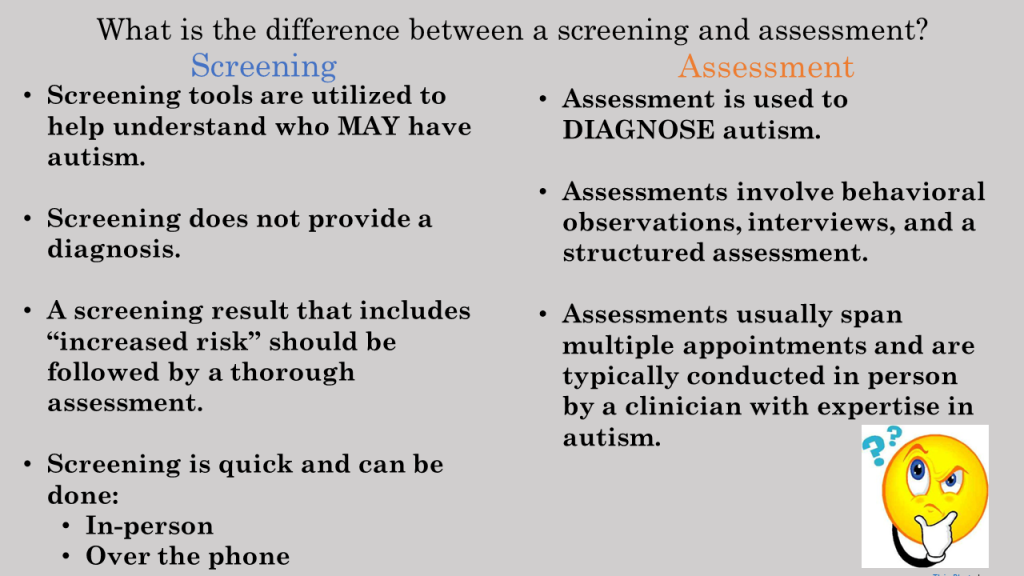
An autism assessment is more than a single test. It’s a comprehensive evaluation that typically includes:
- Clinical interviews with the individual and family members Standardized testing of cognitive, language, and adaptive skills Observational assessments in natural settings (home, school, clinic) Collateral information from teachers, caregivers, or previous clinicians
Think of it as a multi‑layered cake: each layer adds flavor and depth, and together they provide a complete picture of strengths and challenges.
Who Conducts It
The team behind the assessment can vary:
- Child psychologists or pediatric psychologists Clinical neuropsychologists Developmental pediatricians Licensed clinical social workers (in some regions)
The credentials and experience of the professional can significantly affect both the quality of the evaluation and its cost.
Factors Influencing the Cost
Professional Qualifications
Highly specialized clinicians—especially those with advanced degrees or certifications in autism—tend to charge more. Their expertise can translate into a https://reidgeko975.yousher.com/why-is-it-difficult-to-get-an-autism-diagnosis-in-australia more accurate diagnosis and tailored recommendations.
Geographic Location
Just as real estate prices differ from city to city, so do assessment fees. Urban centers often have higher rates due to higher operating costs, whereas rural areas may offer more affordable options.
Type of Assessment
The scope matters. A short, screening‑style evaluation may cost a few hundred dollars, while a full diagnostic assessment that includes neuropsychological testing and multiple appointments can run into the thousands.
Typical Price Ranges
Public vs Private
| Type | Typical Cost | Notes |
|------|--------------|-------|
| Public (e.g., school‑based) | $0–$300 | Often covered by school budgets; may involve waitlists |
| Private (independent clinic) | $1,200–$3,000 | Higher flexibility, but varies widely |
Public assessments are usually the most affordable, but they may come with longer waiting times and limited scheduling flexibility. Private clinics often provide quicker access and a broader array of services, but at a higher price tag.
Insurance Coverage
Many health plans cover a portion of diagnostic services. However, coverage varies:
- Medicaid often pays for full assessments in many states. Private insurance may cover up to 50–80% of the cost, depending on the policy. Out‑of‑pocket expenses can still be substantial if the plan has high deductibles or limited coverage.
It’s always wise to check with your insurer before scheduling to avoid surprise bills.
Additional Costs to Consider
Follow‑Up Appointments
A diagnosis is just the beginning. Follow‑up sessions for therapy, counseling, or educational planning can add to the overall financial burden.
Testing Materials
Some assessments require specialized materials or software licenses. These costs are sometimes bundled into the fee, but in other cases they may be billed separately.
Strategies to Manage or Reduce Costs
Sliding Scale Options
Many clinicians offer sliding‑scale fees based on income. Don’t hesitate to ask about this—most providers are happy to make the process more accessible.
Telehealth Possibilities
Remote assessments can reduce overhead costs. While not all components are suitable for virtual delivery, many screening tools and interviews can be conducted online, potentially lowering the price.
Grants and Scholarships
Several foundations and community organizations provide financial assistance for autism assessments. A quick search for “autism assessment grant” in your state can reveal hidden resources.
- The Autism Society Local university research programs Community health centers
Practical Tips
- Ask for a detailed estimate before committing. Verify insurance coverage and any out‑of‑pocket expectations. Consider a second opinion if the cost seems unusually high.
A Real‑Life Example
When Sarah, a mother of a 5‑year‑old boy named Milo, first asked, “what is the cost of an autism assessment?” she imagined a hefty bill that would dent her savings. Instead, she found a local university clinic offering a $700 sliding‑scale assessment. The process took two weeks, and the team provided a comprehensive report with actionable strategies. Sarah’s experience shows that cost isn’t a fixed number—there are options, and with a bit of research, you can find a path that fits both your budget and your child’s needs.
> “An early, accurate diagnosis is a gift that keeps on giving,” says Dr. Elena Martinez, a developmental pediatrician. “It opens doors to support and resources that can transform a child’s life.”
Making Your Selection Count
When you weigh the question, “what is the cost of an autism assessment?” remember that https://josuegrjw961.wpsuo.com/adult-autism-assessment-for-autism-spectrum-disorder-hormone-testing-what-you-need-to-know it’s not just a number; it’s an investment in understanding, support, and future possibilities. Start by:
- Researching local providers and comparing their credentials and fees. Checking insurance and exploring public options. Exploring financial assistance and sliding‑scale programs.
With a clear plan, you can navigate the financial maze and secure a thorough assessment that sets the stage for meaningful progress.
If you’re ready to take the next step, reach out to a local clinic or school district today. The first appointment may be the most important one you’ll ever make—both for your child’s future and for your peace of mind.