When you’re living in a remote corner of Australia, the idea of getting an autism assessment can feel as daunting as crossing the Nullarbor Plain without a map. But the path is clearer than you might think, and with a bit of planning, you can turn a potential roadblock into a smooth ride. This guide walks you through the practical steps, sprinkled with a touch of humor and a dash of local flavor, to help families in isolated communities prepare for an autism assessment.
Understanding the Need for an Assessment in Remote Settings
Why Remote Areas Pose Unique Challenges
In the vast outback, services that are routine in urban centers can be hours away by road—or even by air. The scarcity of specialists means that families often have to travel long distances, juggle multiple appointments, or rely on telehealth. These logistical hurdles can add stress, but they also underscore the importance of a well‑structured preparation plan.
The Value of Early Diagnosis
Early identification of autism spectrum conditions leads to earlier interventions, which can dramatically improve developmental outcomes. Think of it as finding a hidden oasis before the heat of the day sets in—finding the right support early can make all the difference.
Gathering Preliminary Information
Collecting Developmental History
Before the assessment day, gather a timeline of key developmental milestones: when did your child start babbling, walking, or forming words? Note any concerns such as delayed speech or unusual sensory sensitivities. This history provides a roadmap for clinicians.
Observational Notes and Daily Routines
Document how your child interacts with peers, handles routine changes, and responds to sensory stimuli. A simple diary for a week can reveal patterns that a clinician might otherwise miss.
**Bullet List: Quick Checklist
- Speech and language milestones Social interaction observations Sensory preferences or aversions Daily routine stability
Selecting the Right Professional Team
Local vs. Telehealth Options
If a specialist lives within a few hours’ drive, arranging an in‑person visit may be preferable. However, telehealth is a powerful tool in remote areas, allowing experts to conduct assessments via video Difficulty with transitions call while you stay in familiar surroundings.
Credentials and Experience
Ask for credentials: a psychologist or developmental pediatrician with experience in autism assessments and a track record of working with remote communities. A professional who has navigated the unique cultural and logistical aspects of rural Australia will be better equipped to tailor the assessment to your family’s needs.
Preparing the Child and Family for the Assessment
Creating a Comforting Environment
If the assessment is in‑person, arrange a quiet, familiar space for the child to relax before the session. For telehealth, ensure a stable internet connection Discover more here and a private area free from distractions.
Practical Tips for the Day
- Pack snacks : A quick bite can keep energy levels steady. Bring familiar items : A favorite toy or blanket can provide comfort. Plan for downtime : After a long travel day, give your child a chance to unwind before the assessment.
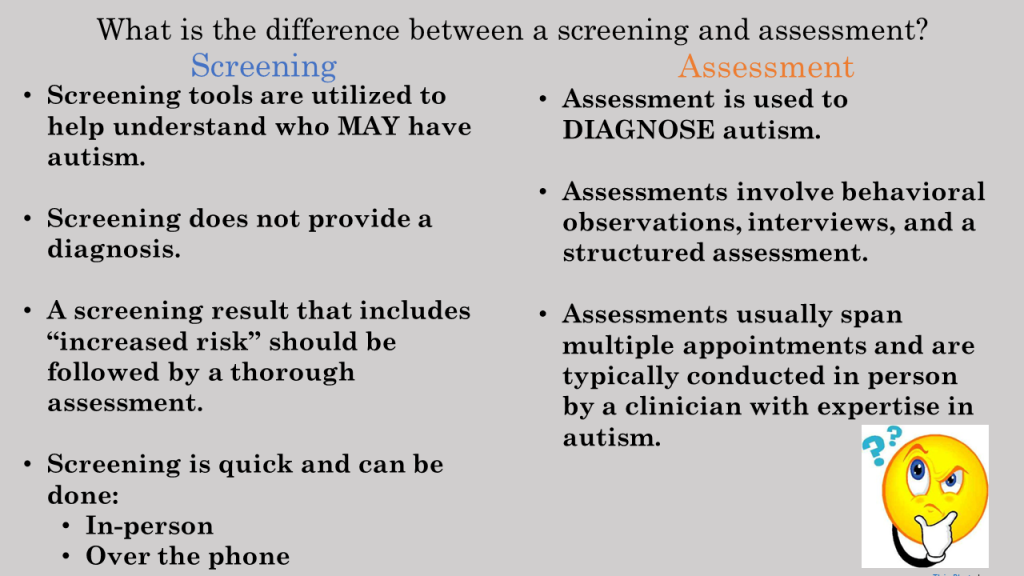 Family Interviews and Questionnaires Your insights are invaluable. Clinicians will ask about family dynamics, daily routines, and any concerns you’ve noticed. This collaborative approach ensures a holistic understanding of your child’s profile. After the Assessment: Interpreting Results and Next Steps Understanding the Report The assessment report will outline strengths, challenges, and recommended interventions. Take time to read it thoroughly and ask your clinician to explain any jargon. Planning Interventions and Support Based on the findings, you may receive referrals for speech therapy, occupational therapy, or behavioural support. Early intervention programs can be accessed through local health districts or community organisations.
  Making the Most of Remote Resources Telehealth Follow‑Ups Regular virtual check‑ins with specialists can maintain continuity of care without the need for frequent travel. These sessions can also help adjust interventions as your child grows. Community Support Networks Look for local support groups, parent networks, or online forums specific to remote communities. Sharing experiences and resources can lighten the load and foster a sense of belonging. Bullet List: Community Resources to Explore Rural Health Queensland Australian Autism Support Network Local Indigenous health services Telehealth hubs in regional centres The Journey Ahead: Turning Challenges into Opportunities “Every child’s journey is a unique story, and listening is the first chapter,” says Dr. Emily Carter, a developmental psychologist who works extensively in remote Australia. With the right preparation, the assessment becomes less of a hurdle and more of a stepping stone. Have you ever wondered what the difference between a marathon and a sprint is? In the context of autism assessment, the marathon mindset—steady, persistent, and patient—helps families navigate the long haul of travel, paperwork, and waiting for results. The sprint, on the other hand, is the quick burst of action you take when you have all the information ready: booking appointments, gathering documents, and arranging transport. Rhetorical Questions to Ponder**
 - What if the right support is just a phone call away, even from the middle of the outback? How much more confident would you feel if you had a clear roadmap to the assessment day?
Ready to Take the First Step?
The road to an autism assessment in a remote area Australia may feel like a trek across rugged terrain, but with these steps, you can chart a clear path. Gather your documents, connect with local experts, and prepare your child for a day that could open doors to tailored support and meaningful growth. And remember—just as the Australian outback thrives on resilience, so too can your family navigate this journey with confidence and hope.